

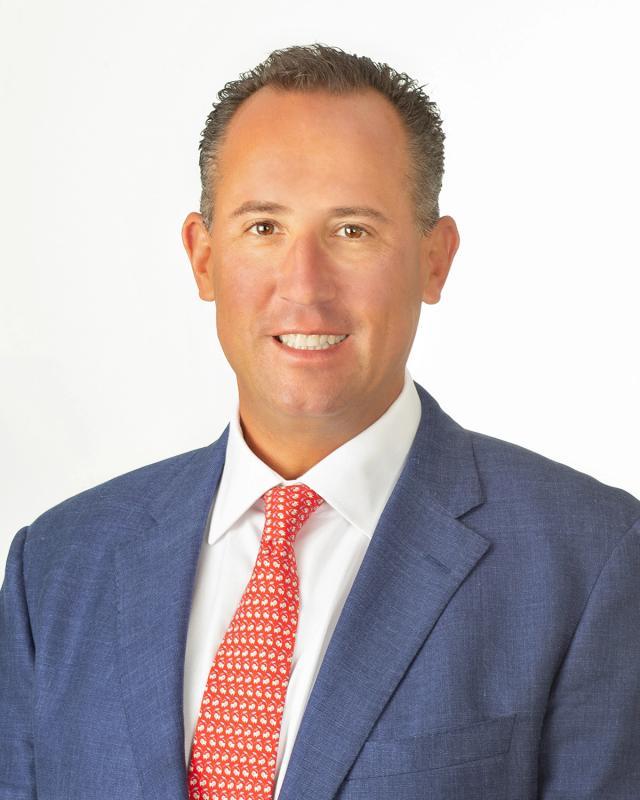
Mark A. Pappa
Managing Member & Chief Investment Officer
- Chief Compliance Officer
- Investment Adviser Representative
- Principal owner
- Host, On The Mark
Fiduciary · Registered Investment Advisor

Fiduciary · Registered Investment Advisor
Protect what you’ve built, plan for what’s next, and move forward with clarity and confidence.
A Registered Investment Advisor since 2018, held to a fiduciary standard. Read our Form ADV Part 2A.
We work through tax strategy and estate planning with you here, instead of referring you out and waiting.
Our focus is people who are retired or close to it, when the order of good and bad years starts to matter.
Our office is at 116 Oak Street in Glastonbury, and that is where you'll meet us.
Owning financial products is not the same as having a plan that connects them.
Our job is to connect them.
The coordination problem
No business would survive a quarter run this way: four capable departments, each doing its own work correctly, none of them ever in the same meeting.
That’s what a financial plan looks like when nobody is coordinating it.
Each of them does their own piece well. Nobody checks whether the pieces fit, and that is where the expensive mistakes happen. Meanwhile you are the one carrying information between four offices, which is not your job.
The team
Three advisors. The firm has been registered since 2018, Rick holds both the CFP® and the CLU, and neither the firm nor any of us has a disciplinary history. We share the work, so nothing waits on one person being free the week you need them.
Managing Member & Chief Investment Officer
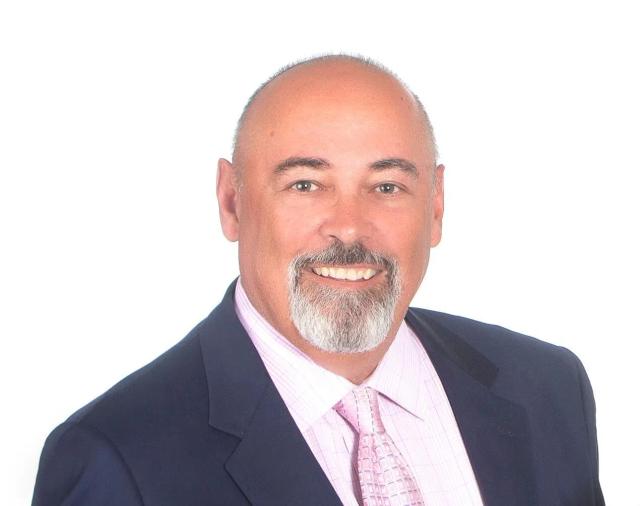
Investment Adviser Representative
CLU®, CFP®
Investment Adviser Representative
Schedule with NicholasThe resources you have with us
Here is the list. Part of the work is finding benefits you may already be entitled to and not know about, and that means reading everything you send us, including the paperwork that has nothing to do with investments.
Your data points, one plan
Designed to minimize taxes, reduce risk, and provide more income.
There are twelve documented ways to draw income in retirement. We identify which fits you, for the most income, at the least risk, with the lowest probability of running out.
Pulling from taxable, tax-deferred and tax-free accounts in the wrong order raises your lifetime tax bill. We map the order.
RMDs begin at 73, and missing one carries significant penalties. We plan for them years ahead instead of reacting in the year they land.
Benefits can start at 62, reach full amount at your full retirement age, or grow if you delay to 70. Health, marital status, employment and income needs all move the answer, and it interacts with everything else in the plan.
Modeling how each decision moves your tax bill, before you make it.
A conversion may lower future taxes but raises them in the year you convert. Current bracket, expected future income and the rest of the plan decide it.
Timing and structuring sales, and weighing a capital gain against an IRA withdrawal, changes what you keep. We model the comparison before the decision.
Crossing an income threshold triggers Medicare surcharges, and you don't get a warning first. Staying under the threshold protects your healthcare costs.
Deferral and income-shifting strategies for large earned incomes, business income and high wages.
Turnover, fund placement and account location all generate tax on money you are not spending. Our investment management is tax-sensitive by design for this reason.
Protecting income, reducing emotional decisions, and conserving assets.
Holdings that move together are not diversification. We blend multi-asset, globally diversified model portfolios and check which holdings offset risk and which pile onto it.
We run your plan through a decline instead of an average year, so you know the number before it happens.
Long-term care is one of the financial perils a retirement plan has to price in. We look at coverage routes that do not depend on expensive annual premiums.
We evaluate whether umbrella liability insurance is adequate for what you have accumulated.
We don't sell this policy or earn anything on it. We read it anyway, because the coverage you bought and the coverage you hold today are not always the same.
Pension elections, Social Security survivor rules and the loss of one benefit can cut household income sharply. We coordinate payouts and plan ahead of the event, not after it.
Passing assets on efficiently, and making sure the paperwork works.
We help you decide which tools fit your situation. Estately is a client-directed service, and we can walk you through the process and get you prepared.
Beneficiary designations override your will. We check how every account is titled and designated so assets avoid probate and flow to the next generation the way you intended.
We review your financial power of attorney against your bank, your brokerage firm and your insurance company. A document can be entirely valid and still be refused, including by government agencies, at the moment someone needs it.
An equal split is not always the fair one, and a plan can say so. Where a child relies on means-tested benefits, provisions can be structured so an inheritance supports them without costing them eligibility.
Charitable giving structured inside the estate plan and coordinated with the tax strategy.
Where to start
Each of these has its own page. They are more connected than they look, and income and taxes in particular are hard to separate.

This is the first question, and it depends less on the size of the balance than on how you draw from it. There are twelve documented ways to do that.
Income planning
A million dollars in a 401(k) is not a million dollars once the tax is paid. When you withdraw, whether you convert, and which account an asset sits in all change what you keep, and those decisions have to be made ahead of time.
Tax strategies
That might mean a child with a special need, or three children in very different circumstances. An equal split is not always the fair one. And whatever your will says, the beneficiary form on each account overrides it.
Estate & legacy
Better to find out before it happens. We run your plan through a bad year instead of an average one, so you see the number in advance.
Try the illustratorWork we don’t bill for
Your power of attorney is signed, notarized and legally valid. Then your spouse takes it to the bank, and the bank says no. Brokerages can refuse it too, and so can insurance companies and some government agencies.
So we read it against the specific institutions that would have to honor it, before anyone needs it to work.
We don’t get paid to do that. We do it because it’s the kind of thing that ruins an otherwise good plan.
We evaluate whether umbrella liability insurance is adequate for what you have accumulated.
We don't sell this policy or earn anything on it. We read it anyway, because the coverage you bought and the coverage you hold today are not always the same.
We review your financial power of attorney against your bank, your brokerage firm and your insurance company. A document can be entirely valid and still be refused, including by government agencies, at the moment someone needs it.

Managing risk
A projection built on an average return describes a year you will never have. Work out the number now, while it is hypothetical, instead of in the middle of a decline.
Nothing is sent anywhere. This is arithmetic, running in your browser.
Savings after the fall
$750,000
$250,000 less
Your income becomes
6.7%
of savings, up from 5.0%
Years that income lasts
15.0
was 20.0
Years of income lost
5.0
from one bad year
This is a hypothetical arithmetic illustration using figures you enter. It is not a projection, a forecast, or a representation of any actual or expected portfolio result. It assumes no growth, no inflation and no tax, so it is simple on purpose. It shows the shape of the problem. A real plan models all three.
Two funds can look different and behave the same way, and holdings that move together are not diversification. We blend multi-asset, globally diversified model portfolios and look at correlation directly, to see what offsets risk and what concentrates it.
A portfolio can carry more risk than advertised. We measure how much yours carries and show you, so you can decide whether that is the level you want.
Alongside the portfolio we use safe financial instruments to dampen the swings. In a downturn, the decision a big drop provokes can do as much damage as the drop itself.
Diversification and asset allocation do not guarantee a profit or protect against loss. All investments involve risk, including the potential loss of principal. Past performance is no guarantee of future results.
Insights & the show
Mark is on the air with WDRC Talk of Connecticut radio host Gary Byron every Saturday at 9:30 a.m. The latest segments are here to watch or listen to, alongside the firm's articles.
Mark covers what's pushing up bond yields, inflation risk, and how much a bond portfolio could potentially lose when interest rates rise.
Watch →The four pillars of retirement, with an emphasis on tax strategies to lower the tax bill on capital gains and ordinary income, and on planning for income, risk and your estate.
Watch →Mark breaks down a researcher's post on X saying that people building advanced AI believe it could kill all humans by the end of the decade, and explains why he rejects that narrative.
Watch →Straight answers
There are plenty more, on income, Social Security, taxes, estate documents and market risk.
Yes. Financial Resources Group, LLC is a Registered Investment Advisor, headquartered in Connecticut. That means we are held to a fiduciary standard and are obligated to act in your best interest. Our current written disclosure statement, Form ADV Part 2A, is linked at the foot of every page of this site, and we will send you a copy on request.
We read documents an investment advisor isn't paid to read, including your financial power of attorney and your homeowner's policy. And tax strategy and estate planning are done here instead of being handed off. For estate documents, we walk you through Estately, a client-directed service, and get you prepared.
We ask about your goals, your family, and what's worrying you. Then we tell you what we'd look at and whether we're the right fit. The first conversation is free.
Our main focus is people who are retired or close to it, though we work with pre-retirees as well. If you are trying to work out whether your income will hold up, that is exactly the conversation to have with us.
Next step
The first conversation is free. We'll tell you what we'd look at and whether we're the right fit. Sometimes we aren't, and we'll say so.
Or just call us:(860) 657-8380

